About Dartmoor
Dartmoor Landscape
Dartmoor was created as a National Park in 1951. It covers an area of 954 square kilometres (368 square miles) in the middle of Devon. Characterised by its Carboniferous granite uplands and tors, its highest point is High Willhays, some 621 metres (2,039 ft.) above sea level. It is an upland area with over 80% of the National Park lying 150 metres (492 ft.) above sea level. The entire area offers some spectacular moorland walks, high tors and has a long history. |
Geology of Dartmoor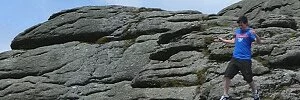
Almost two-thirds of the area of Dartmoor is made up of granite, intruded into the landscape during the late Carboniferous/early Permian Period - around 280 million years ago. More correctly known as the Cornubian Batholith this huge granite structure formed at depth and stretches as far west as the Isles of Scilly off West Cornwall. |
|
History of Dartmoor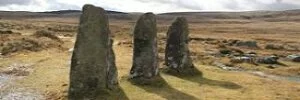
The moors are peppered with history: ancient settlements, stone circles, standing stones and stone rows dating from the Neolithic, Bronze and Iron Ages right through to the remains of the mining and peat cutting industries of the 19th Century. |
Dartmoor Plants & Wildlife
Apart from the usual gorse, fern, heather and bracken, Dartmoor exhibits a diverse range of vegetation and plant species. Dartmoor has a rich bird population. Its population varies dependent on the area selected but may include curlew, golden plover, dippers, lapwing and even nightjars. |
|
Holiday Parks

Stay at a nearby Holiday Park and keep the kids amused all day! Parks in the vicinity include those at:

Hotels
Plenty of hotels are available locally. Consider those in the local towns:
Caravans
In the vicinity is a choice of camping and caravan sites offering high quality, affordable holiday accommodation. Consider camps in Dartmoor, Moretonhampstead, Tavistock and Newton Abbot.